

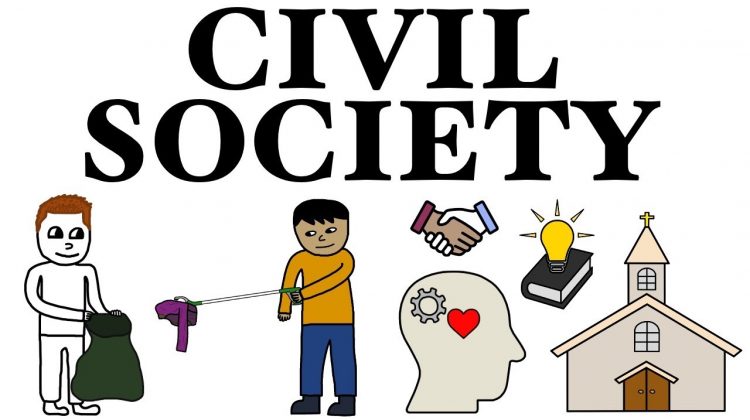
Civil society is a fundamental pillar of the United Kingdom’s social and political landscape. It represents the space between individuals and the state, encompassing voluntary organisations, charities, NGOs, and community groups. Civil society operates independently from the government and private sector, aiming to promote social change, civic engagement, and public interests. By giving citizens a voice, civil society strengthens democracy and helps build resilient communities across the UK.
The significance of civil society in the UK is evident in its ability to address social issues and advocate for underrepresented groups. It provides platforms for participation, fosters collaboration, and enables people to influence policies affecting their daily lives. Unlike civil service or professional sectors such as civil engineering, civil society focuses primarily on voluntary action and social impact. Its organisations are often the bridge connecting communities to policymakers and institutions.
What is Civil Society
Civil society refers to the collection of non-governmental organisations and community groups that work together to address social, cultural, and political concerns. These groups include charities, advocacy organisations, labour unions, and informal community networks. Civil society aims to provide services, raise awareness, and create social value beyond the reach of government intervention. Its defining feature is independence from the state, allowing for a diverse range of voices and activities that benefit the public.
Historically, civil society in the UK has played a vital role in shaping societal values and civic engagement. Its roots can be traced back to periods such as the English Civil War, where collective citizen action influenced political and social reforms. Over time, civil society evolved into a structured sector of voluntary organisations and community groups that continue to address challenges, ranging from education and healthcare to social justice and community cohesion.
The Role of Civil Society in the UK
The role of civil society in the UK extends beyond service provision to fostering democratic engagement and social accountability. Civil society organisations mobilise citizens, advocate for policy changes, and provide essential services in areas where government resources may be limited. By participating in civil society, individuals gain opportunities to contribute meaningfully to their communities while influencing decisions that affect their lives.
Civil society also plays a critical role in strengthening social cohesion and promoting equality. Through its diverse network of organisations, it provides support for vulnerable populations, encourages community participation, and amplifies voices that might otherwise be ignored. Modern civil society initiatives in the UK, such as volunteer-driven projects and charity campaigns, illustrate the sector’s capacity to adapt and respond to emerging social challenges effectively.
Civil Society and Related Civil Terms
Civil society is often confused with terms like civil service, civil partnerships, or civil engineering, but these are distinct concepts. The civil service refers to government employees who implement public policies, while civil partnerships are legal unions that provide recognition to same-sex couples. Civil engineering is a professional discipline focused on infrastructure development. Civil society, in contrast, is independent, voluntary, and dedicated to advancing societal well-being.
Historical events, including civil wars like the English Civil War, American Civil War, and Spanish Civil War, have influenced the development of civil society. These conflicts highlighted the importance of citizen organisation, advocacy, and participation in societal reform. Even cultural references such as Captain America: Civil War or the cast of Civil War films reflect the broader metaphorical themes of societal division and collective action, linking back to civil society’s purpose of resolving conflicts and promoting collaboration.
Challenges Facing Civil Society
Despite its importance, civil society faces several challenges in the UK. Funding constraints remain a significant concern, as many organisations rely on donations, grants, and volunteer contributions to operate. Political and regulatory pressures can also limit civil society’s independence, making it difficult for organisations to maintain impartiality while advocating for change.
Civil society must also navigate the digital era, where engagement has shifted to online platforms. Maintaining visibility, reaching communities, and promoting awareness are crucial for sustaining impact. Organisations need to combine digital strategies with traditional community involvement to ensure that civil society continues to thrive and effectively serve the public, providing an essential counterbalance to government and private sector influence.
The Impact of Civil Society on UK Communities
The impact of civil society on communities in the UK is profound and multi-faceted. Civil society enhances social cohesion by connecting individuals and groups through shared initiatives, projects, and campaigns. It creates spaces where citizens can contribute to social development, influence policy decisions, and participate in collective problem-solving.
Civil society also plays a role in public policy, addressing social inequalities, and improving community welfare. From health and education initiatives to advocacy on human rights, civil society organisations ensure that citizen voices are heard and represented. By engaging with civil society, individuals can take part in meaningful work, volunteer opportunities, and collaborative projects, thereby strengthening the fabric of UK communities.
Conclusion
Civil society is an indispensable element of the United Kingdom’s democratic and social framework. Its organisations operate independently from government control to foster civic engagement, social cohesion, and public participation. Civil society allows citizens to shape policy, advocate for change, and contribute to societal well-being. By supporting civil society, the UK ensures that communities remain resilient, inclusive, and actively involved in shaping their future.
FAQs
What is civil society and why is it important?
Civil society is a network of independent organisations that promote public interests, social change, and citizen participation. It strengthens democracy and community engagement.
How does civil society differ from the civil service in the UK?
Civil society operates independently and voluntarily, while the civil service is government employment focused on policy implementation and administration.
What are examples of civil society organisations in the UK?
Charities, NGOs, volunteer groups, labour unions, and local community associations are common examples.
How has civil society influenced UK history, including civil wars?
Civil society shaped citizen engagement, advocacy, and social reforms during events like the English Civil War and other historical conflicts.
Can civil society organisations help with social issues like health and education?
Yes, they provide essential services, raise awareness, and advocate for policies to address social inequalities.
How can I get involved in civil society or volunteer in the UK?
Individuals can join charities, NGOs, community projects, and volunteer networks to actively participate in civil society initiatives.
Are civil society jobs similar to civil service jobs?
Civil society roles focus on social impact in non-profit and voluntary sectors, while civil service jobs are government-based administrative roles.
You may also read: KSI Net Worth 2025: How the UK YouTuber and Boxer Built a $100 Million Empire
