

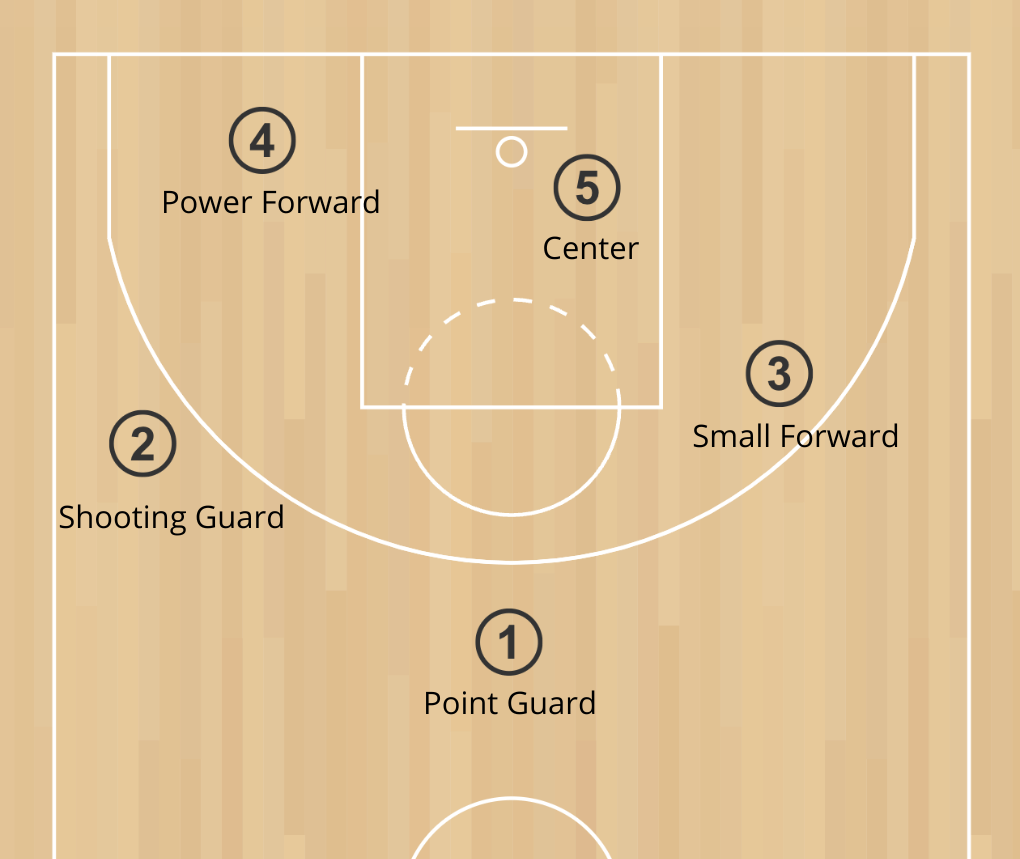
Basketball is one of the most exciting sports in the world, blending speed, strategy, and teamwork. For anyone looking to play competitively or casually, understanding basketball positions is vital. Each role on the court carries specific responsibilities, from ball-handling to scoring, rebounding, and defence. Knowing basketball positions helps players maximise their strengths and contributes to overall team success, whether in local UK leagues or professional tournaments.
The importance of basketball positions goes beyond just physical abilities. Each position requires strategic thinking and awareness of teammates’ movements. By learning the distinct roles, beginners can better appreciate how the game flows and how to make impactful plays. Observing professional basketball stars can also provide insight into mastering each position and achieving success at higher levels.
What Are Basketball Positions?
Basketball positions are the five primary roles assigned to players in a team: point guard, shooting guard, small forward, power forward, and centre. Each position has a specific set of responsibilities that influence both offence and defence. Understanding basketball positions is crucial for creating effective team strategies, enhancing gameplay, and ensuring that every player can contribute in their optimal role.
Modern basketball often blurs traditional boundaries, allowing for a more flexible approach known as “positionless basketball.” While each player may have a primary position, versatility is highly valued. Beginners should study basketball positions carefully to understand their strengths and weaknesses. Mastering these roles improves decision-making, teamwork, and overall performance on the basketball court.
Detailed Breakdown of Each Position
Point guards are the team’s playmakers, responsible for controlling the game, distributing passes, and setting up scoring opportunities. A skilled point guard needs exceptional ball-handling, vision, and decision-making abilities. They act as a team leader on the court, guiding both offensive and defensive plays. In UK basketball, point guards often become central figures for youth and professional teams alike.
Shooting guards specialise in scoring, particularly from long range. They need agility, speed, and accuracy to break through defences and take advantage of scoring opportunities. Understanding basketball positions like shooting guard helps players focus on perimeter play, improving both personal statistics and team performance. Famous shooting guards demonstrate how strategic movement and accurate shooting can transform a game.
Small forwards are versatile, combining speed, strength, and skill. They score from mid-range or near the basket, defend multiple positions, and often support both guards and forwards. Basketball positions such as small forward require adaptability and situational awareness, as these players must react quickly to different offensive and defensive scenarios. Many legendary basketball stars began their careers in this position, showcasing its importance.
Power forwards are often physically strong and play close to the basket. Their main tasks include rebounding, scoring in the paint, and providing interior defence. Mastering basketball positions like power forward involves learning how to use size and positioning to gain an advantage. This role is crucial in both traditional and modern strategies, where inside presence often determines the outcome of a game.
Centres are typically the tallest players on the team, dominating the area near the hoop. They block shots, grab rebounds, and protect the rim. Basketball positions like centre require a combination of height, strength, and defensive awareness. In both the British Basketball League and international tournaments, a dominant centre can drastically influence a team’s defensive capabilities and control the tempo of the game.
How to Choose the Right Basketball Position

Choosing the right basketball position involves considering your physical attributes, skillset, and personal preferences. Beginners should try multiple roles to understand which position best suits their strengths. Understanding basketball positions helps players identify areas for improvement and how they can contribute most effectively to a team’s overall success.
Observing professional players and local UK basketball leagues can also guide beginners in selecting a position. Height, speed, and agility influence which basketball positions are most suitable. Training and practice on basketball courts near me, combined with learning from experienced coaches, allows players to refine their skills and decide where they perform best.
Training and Skills Development for Each Position
Training is crucial for excelling in basketball positions. Point guards should focus on passing accuracy and ball-handling drills, while shooting guards emphasise shooting form and agility. Small forwards, power forwards, and centres have distinct training needs, from rebounding and post moves to defensive positioning and rim protection.
Fitness, endurance, and agility are essential for all basketball positions. Using proper gear, such as basketball shoes, jerseys, and shorts, improves performance and reduces injury risk. Players should practise on various basketball courts, including indoor and outdoor surfaces, to adapt to different playing conditions. Understanding basketball positions ensures training is targeted, effective, and aligned with game strategies.
Modern Trends in Basketball Positions
Basketball has evolved, with positionless play becoming more common. Players now need versatility to switch roles depending on team strategies and game situations. While traditional basketball positions remain relevant, modern trends encourage multi-role skills and adaptability on the court. Understanding basketball positions today means recognising that flexibility is as important as mastery.
Many of the best basketball players of all time have demonstrated the ability to perform multiple roles effectively. Observing professional games, such as the Basketball World Cup or British Basketball League matches, provides examples of how basketball positions can be adapted to enhance team performance. Versatility allows players to contribute in unique ways while maintaining the structure of traditional positions.
Conclusion
Basketball positions form the foundation of the sport, guiding players on how to contribute effectively. Each position has unique responsibilities, requiring specific skills and tactical awareness. Understanding basketball positions benefits beginners, intermediate players, and professionals, ensuring that teams can function smoothly and efficiently on the court. Practising these roles, experimenting with different positions, and embracing modern trends can improve gameplay.
By studying basketball positions, players can enhance both individual and team performance. Versatility, strategic thinking, and skill development are essential for adapting to modern styles of play. Whether training for local competitions or aspiring to join professional leagues, understanding basketball positions provides the knowledge and confidence needed to excel in every game.
Frequently Asked Questions
What are basketball positions?
Basketball positions refer to the five primary roles: point guard, shooting guard, small forward, power forward, and centre. Each position has unique responsibilities that influence offensive and defensive strategies.
Which basketball position is best for beginners?
Point guard or small forward positions are often recommended for beginners, as they provide opportunities to develop ball-handling, scoring, and defensive skills.
Can players play multiple basketball positions?
Yes, modern basketball encourages versatility, allowing players to perform multiple roles during a game for better team dynamics.
What skills are required for each basketball position?
Skills vary by position, including passing, shooting, dribbling, rebounding, defence, agility, and situational awareness.
Where can I find basketball courts near me in the UK?
Local sports centres, community clubs, and online maps can help locate basketball courts for practice and games.
Who are some of the best basketball players of all time?
Legends include Michael Jordan, LeBron James, Tim Duncan, and other versatile players known for excelling in multiple basketball positions.
What gear is important for basketball positions?
Basketball shoes, jerseys, and shorts designed for comfort and mobility are essential to improve performance and reduce injury risks.
You may also read: Arsenal Transfer Rumours According to Fabrizio Romano
