

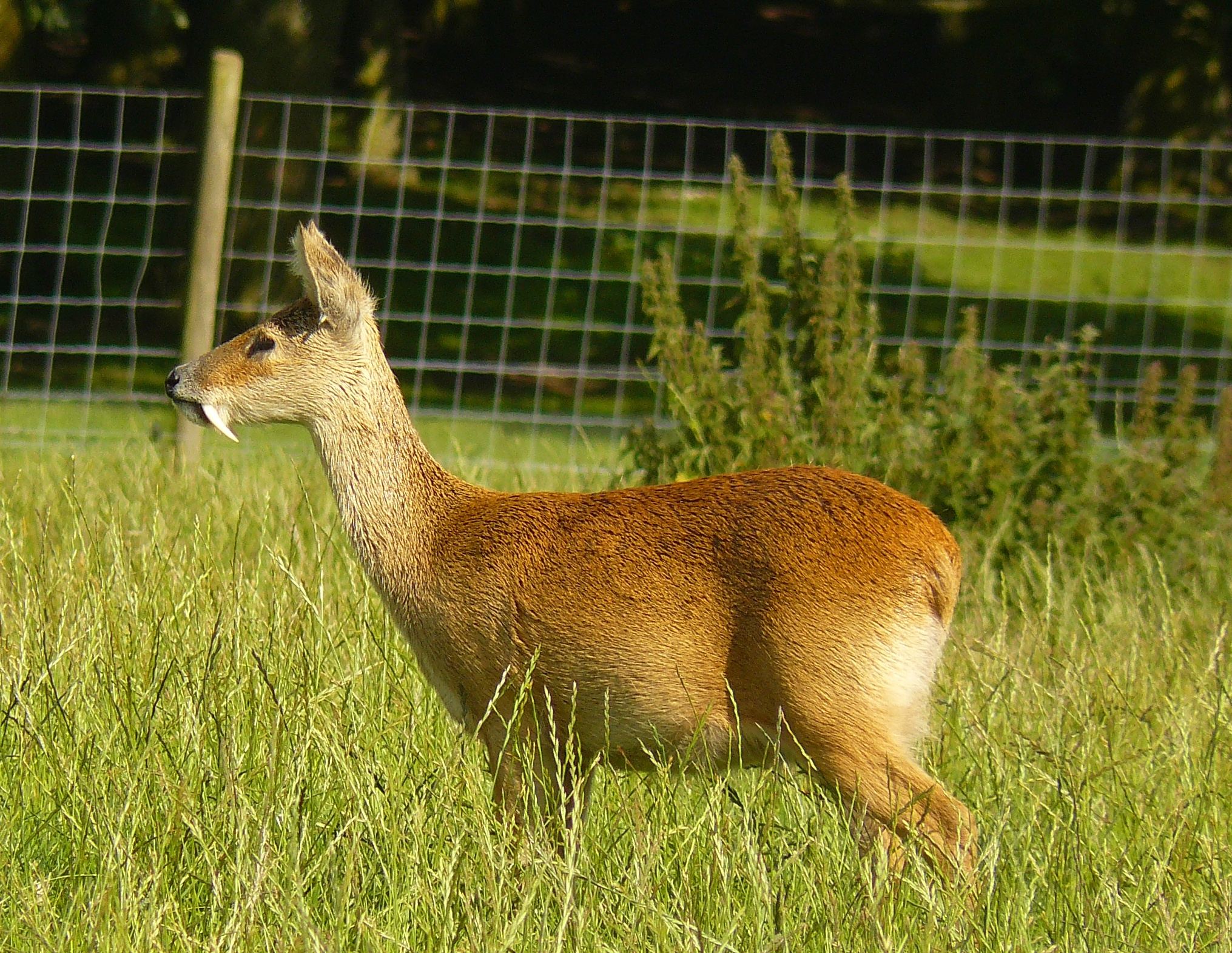
Chinese water deer are one of the most intriguing and unique deer species in the world. Native to China and Korea, these small deer are instantly recognisable for their elongated canine teeth, earning them the nickname “vampire deer.” In the UK, chinese water deer have formed small, stable populations, particularly in East Anglia, fascinating wildlife enthusiasts. Their ability to adapt to non-native habitats demonstrates their resilience and extraordinary survival skills in the wild.
These deer possess a combination of unusual physical traits and fascinating behaviour. Unlike most deer species, chinese water deer do not grow antlers. Instead, they rely on long tusks for defence and territorial disputes. Their shy, secretive nature, combined with their remarkable agility, makes spotting them a rare but rewarding experience. Observing chinese water deer in their natural environment offers insight into how a species can thrive outside its native range.
Chinese Water Deer Appearance and Physical Characteristics
Chinese water deer are small, compact deer, typically standing 50 to 55 centimetres at the shoulder and weighing between 11 and 18 kilograms. Their coats are a ginger-brown shade, which blends seamlessly with reeds, tall grass, and wetland vegetation. Males are slightly larger than females and are distinguished by their prominent tusks, which can reach several centimetres in length. These tusks are used primarily for fighting and have earned the species the nickname “vampire deer.”
In addition to their fangs, the skull of chinese water deer is unique among deer species. The lack of antlers is compensated by the presence of elongated upper canines, which play a critical role during the breeding season. Compared to related species such as Japanese water deer or muntjac, chinese water deer have distinct differences in size, behaviour, and physical features. This makes them one of the most visually and biologically fascinating deer species in both Asia and the UK.
Chinese Water Deer Habitat and Distribution
Chinese water deer are native to fertile river valleys, wetlands, and lowland plains in China and Korea. These habitats provide abundant vegetation for feeding and dense cover for protection. In the UK, chinese water deer were introduced decades ago, and small populations now thrive in East Anglia and surrounding regions. They favour reed beds, riversides, and farmland edges, showing remarkable adaptability to the British countryside while maintaining their natural behaviours.
These deer are mostly nocturnal and highly secretive, making sightings rare for casual observers. They are excellent swimmers and can navigate through waterways and marshes with ease. In the UK, spotting chinese water deer often requires patience and a keen eye, especially in areas where their population density is low. Their presence in non-native regions has fascinated wildlife researchers, providing valuable insights into the adaptability of exotic species.
Chinese Water Deer Behaviour and Lifestyle

Chinese water deer are primarily herbivores, feeding on grasses, reeds, shoots, and other soft vegetation. Their diet varies with the seasons, with young shoots and leaves being particularly important during spring. These deer are generally solitary or found in small family groups. Males display territorial behaviour during the breeding season, using their tusks to assert dominance. Chinese water deer babies are born precocial, meaning they are mobile shortly after birth, which increases their chances of survival in the wild.
These deer exhibit unique stalking and alert behaviours to avoid predators. They freeze or move silently through dense vegetation, making them almost invisible to observers. During the rut, males compete aggressively for mates using their tusks rather than antlers, showcasing one of the few examples in deer species where canines replace antlers in combat. Studying chinese water deer behaviour provides valuable insights into their survival strategies and their remarkable ability to thrive in diverse habitats.
The Mystery of Chinese Water Deer Fangs
One of the most fascinating aspects of chinese water deer is their fangs. Unlike antlers, which are common in most deer species for display and combat, these elongated upper canines grow continuously and are used primarily for fighting. Males use these tusks to defend territory and compete for females, making them both functional and visually striking. Their fangs contribute to the “vampire deer” nickname and make them a popular subject for wildlife photography and research.
The presence of fangs instead of antlers is an evolutionary adaptation unique to chinese water deer. Despite their fearsome appearance, these deer are shy and avoid humans whenever possible. Understanding why chinese water deer have fangs reveals much about their evolutionary history and ecological niche. Their fangs serve not only as tools for survival but also as a reminder of the diversity and adaptability found within the deer family.
Chinese Water Deer Season in the UK
The breeding season of chinese water deer in the UK usually occurs during autumn. During this time, males become more active and territorial, and their tusks are prominently displayed during fights for dominance. Observing chinese water deer during the season requires patience and discretion, as human disturbance can easily disrupt their natural behaviour. Early mornings and evenings provide the best opportunities to witness these fascinating deer in action.
Outside the breeding season, chinese water deer remain elusive but continue to thrive in their habitats. Awareness of chinese water deer season in the UK is essential for conservationists and wildlife enthusiasts who aim to observe them responsibly. Monitoring their seasonal behaviour allows researchers to track population health, reproductive success, and interactions with other species, ensuring the long-term protection of this unique deer species.
Conservation and Protection of Chinese Water Deer
While chinese water deer are not considered globally endangered, their populations face threats such as habitat loss, road accidents, and human encroachment. In the UK, conservation organisations monitor these deer to ensure their continued survival and to protect wetland habitats. Chinese water deer play an important role in ecosystem balance, and preserving their habitats benefits a wide range of wildlife.
Supporting conservation initiatives and promoting awareness about chinese water deer helps maintain their populations while protecting native ecosystems. Ethical wildlife observation and responsible photography practices also contribute to the long-term survival of these rare deer. By highlighting the importance of wetland habitats, conservationists can ensure that chinese water deer continue to captivate and educate future generations.
Conclusion
Chinese water deer are truly remarkable deer species, combining distinctive physical traits with fascinating behaviour. Their fangs, small size, and adaptability make them stand out among other deer in the UK and Asia. Observing chinese water deer provides insight into how a species can survive outside its native range while retaining its unique characteristics. These elusive and captivating deer remain a symbol of wildlife diversity, inspiring curiosity and admiration for their rare presence in the UK.
You may also read: Water Hyacinth in Ponds and Gardens
