

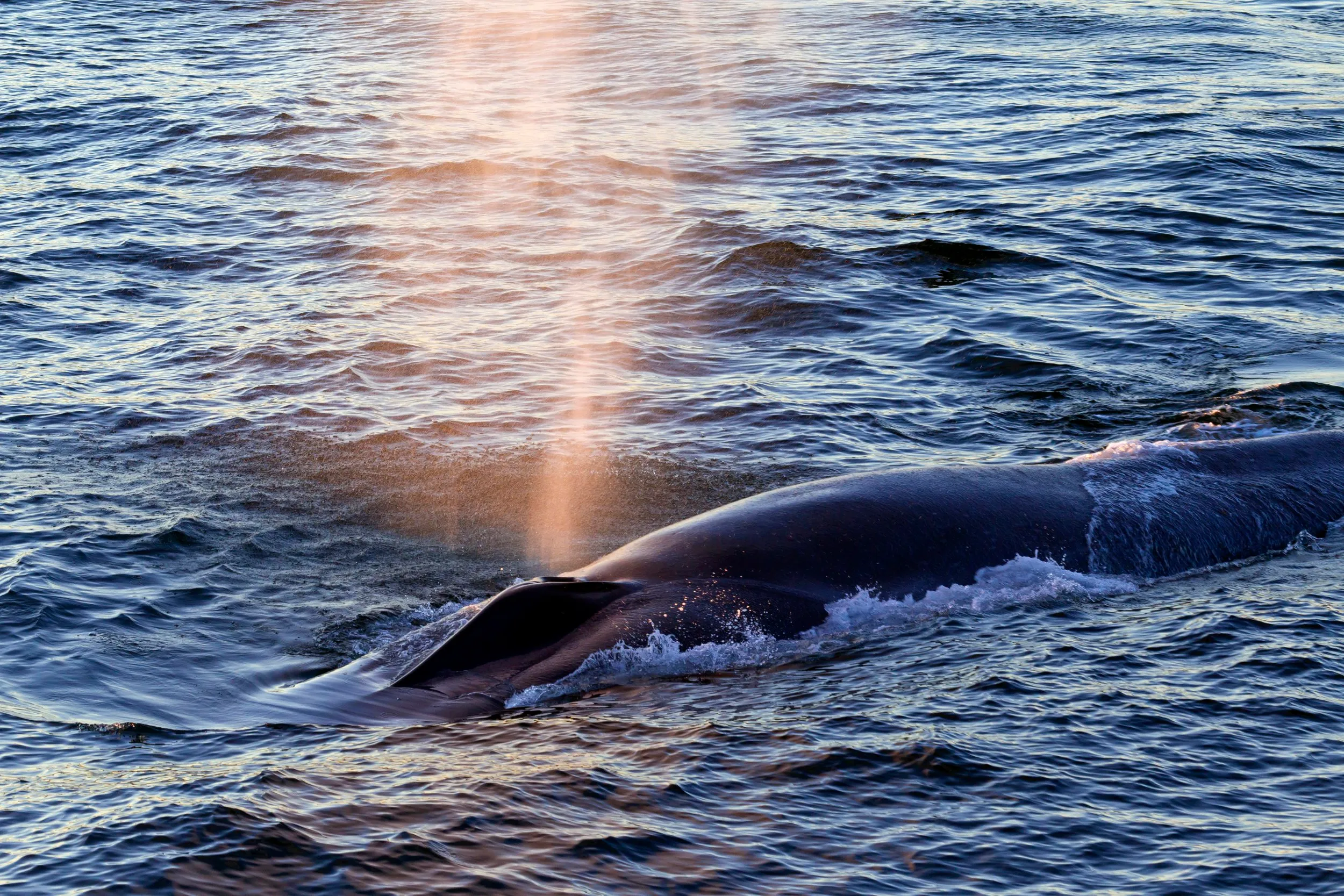
The oceans cover more than 70% of our planet, yet monitoring the health of whales has remained a major scientific challenge for decades. Traditional methods, such as tagging and skin sampling, can stress the animals and pose risks to both whales and researchers. In response to this, drones detect whale virus, offering a revolutionary, non-invasive method to study marine mammal health while minimising disturbance. This new technology is changing the way scientists safeguard vulnerable Arctic whale populations.
Drones detect whale virus by collecting respiratory droplets exhaled through the whales’ blowholes. This innovative approach enables researchers to identify harmful pathogens like cetacean morbillivirus (CeMV) without direct contact. Early detection is crucial, as these viruses can lead to severe illness and mass strandings. By using drones in this way, scientists can monitor whale populations across vast Arctic regions safely and effectively, creating a more sustainable and ethical model for marine research.
How Drones Are Revolutionising Whale Health Monitoring
Monitoring whale health has traditionally relied on invasive practices that carry ethical and practical challenges. Methods such as darting or tagging whales require physical contact and can cause stress or injury. Drones detect whale virus while completely avoiding these problems. Researchers can now fly drones over surfacing whales to collect breath samples, gathering critical biological data in a non-intrusive and highly efficient manner.
This technology represents a major advancement in marine biology. Modern drones are equipped with sterile Petri dishes and precision flight controls, allowing them to hover directly over a whale’s blowhole. Drones detect whale virus by collecting tiny droplets that contain cells, mucus, and genetic material. This method not only reduces risk but also allows for repeated sampling across multiple whale populations, enabling long-term monitoring that was previously impossible with traditional approaches.
The Science Behind Drone Sampling of Whale Breath
Drone-based sampling relies on attaching specialised collection devices to drones, which then hover over surfacing whales to capture exhaled breath. This breath, or “blow,” contains a rich mixture of cells and genetic material that may indicate the presence of viruses. Drones detect whale virus by collecting these samples safely, without causing stress to the animals or disrupting their natural behaviour.
After collection, samples are transported to laboratories for analysis. Scientists can identify specific pathogens such as cetacean morbillivirus and track infection patterns. Drones detect whale virus more efficiently than manual methods, providing a clearer understanding of health trends across Arctic populations. This non-invasive approach ensures that researchers can continue studying whales safely while gathering data critical for conservation and disease prevention efforts.
Understanding Cetacean Morbillivirus

Cetacean morbillivirus is a highly infectious virus that affects the respiratory, neurological, and immune systems of whales. It has been linked to mass strandings and significant declines in several whale populations. Drones detect whale virus as part of a wider effort to monitor CeMV and prevent outbreaks before they reach a critical scale, helping scientists to protect endangered species.
The virus spreads through respiratory droplets, making early detection vital. By analysing whale breath, drones detect whale virus even in whales that show no outward signs of illness. This allows conservationists to respond proactively rather than reactively. Understanding CeMV through drone surveillance offers a new level of insight into how viruses move through whale populations and the impact of environmental changes on marine mammal health.
Key Findings from Drone-Based Research
Recent research has shown that drones detect whale virus in multiple Arctic species, including humpback, sperm, and fin whales. These findings represent the first confirmed evidence of cetacean morbillivirus circulating in these populations at such high latitudes. The ability of drones to monitor whales without intrusion has provided a wealth of previously unattainable data on virus prevalence and spread.
Researchers also discovered that drones detect whale virus consistently, enabling real-time monitoring across wide areas. This data has important implications for conservation strategies and environmental monitoring. By understanding where and when viruses are present, scientists can develop targeted interventions to prevent outbreaks, minimise mortality, and safeguard the fragile Arctic ecosystem for future generations.
Benefits of Using Drones in Marine Conservation
Drones detect whale virus while providing an ethical, non-invasive alternative to conventional sampling methods. They allow repeated monitoring of individual whales and entire populations over time, which is crucial for studying long-term trends. This method also minimises disturbance to the animals and reduces risks for researchers, creating a safer and more effective approach to marine conservation.
The early-warning capabilities of drones are another major advantage. By detecting viruses like CeMV before clinical signs appear, conservationists can intervene sooner and mitigate the impact of outbreaks. Drones detect whale virus in a way that also supports broader ecosystem monitoring, helping scientists understand the health of Arctic marine environments and the challenges facing whales in a changing climate.
Challenges and Future of Drone Monitoring
Despite their advantages, drones face several challenges in marine research. Harsh weather, limited battery life, and sample collection accuracy can affect results. Nevertheless, drones detect whale virus reliably under controlled conditions, and ongoing technological improvements promise greater precision and wider applications in the future.
Looking ahead, drones may incorporate artificial intelligence, better sensors, and automated sampling capabilities. Drones detect whale virus with increasing efficiency, potentially enabling monitoring of other marine species and pathogens. As technology advances, drones will become an indispensable tool in global whale conservation, providing a safer, smarter, and more scalable way to protect marine mammals and their ecosystems.
Conclusion
Drones detect whale virus, offering a transformative approach to monitoring the health of Arctic whales. By providing non-invasive, accurate, and repeatable sampling, this technology safeguards vulnerable populations while providing critical scientific insights. The ability to detect viruses like cetacean morbillivirus early is vital for conservation efforts, and drones are now at the forefront of ensuring the long-term survival of these majestic marine creatures.
Frequently Asked Questions
- How do drones detect whale virus?
Drones capture exhaled whale breath using sterile collection devices, gathering droplets that contain viral material for laboratory analysis. - What is cetacean morbillivirus and why is it dangerous?
CeMV is a deadly virus affecting the respiratory, neurological, and immune systems of whales, often leading to mass strandings and population declines. - Are drones safe for whales?
Yes, drones detect whale virus non-invasively, causing no stress or physical harm while providing accurate data. - Which whale species have been tested using drones?
Humpback, sperm, and fin whales have all been monitored using drone-based breath sampling in Arctic regions. - Can drones detect other marine diseases?
Yes, the collected biological samples can be tested for multiple pathogens, making drones a versatile tool in marine health monitoring. - How often can drones monitor whale populations?
Drones can conduct repeated flights over time, enabling ongoing monitoring of whale health and early detection of viral outbreaks. - What is the future of drones in marine conservation?
With advancements in AI, sensors, and automated sampling, drones detect whale virus more efficiently and may expand to monitor other species and ecosystems globally.
You may also read: Fire and Ash Trailer and Release
