

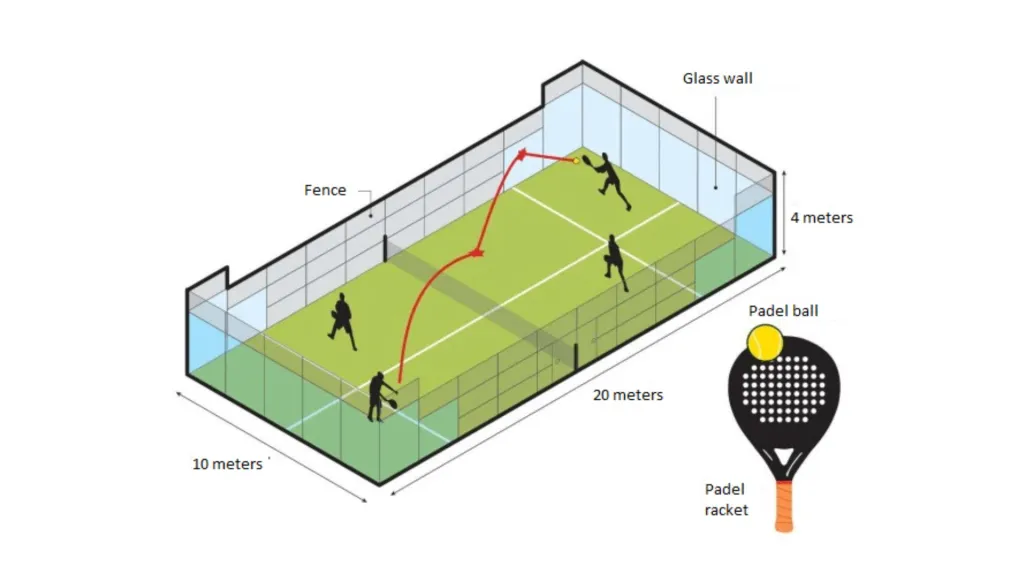
Padel is one of the fastest-growing sports in the UK, combining elements of tennis and squash in a fast-paced, social game. Played primarily in doubles, padel uses an enclosed court with walls that allow players to extend rallies in exciting ways. Understanding padel rules is essential for beginners to enjoy the game safely and effectively, as it ensures fair play and prevents common mistakes during matches.
Learning padel rules also helps new players develop confidence quickly. From serving and scoring to using walls and positioning, knowing the correct regulations transforms the learning experience. In the UK, cities like London and Canary Wharf are embracing the sport, making it easy to find local courts. Following padel rules is the first step to mastering this fun and strategic game.
What is Padel
Padel is a racket sport that blends aspects of tennis, squash, and racquetball. Unlike traditional tennis, the court is enclosed, and players can use walls to return the ball, creating longer and more dynamic rallies. Padel is usually played in doubles, which emphasises teamwork, strategy, and communication between partners. Beginners often find it accessible and fun, as the smaller court size reduces running while keeping the game engaging.
The equipment used in padel includes a solid, perforated padel racket, padel balls, and appropriate footwear. Padel rackets offer control and precision, allowing players to execute a variety of shots with ease. Padel shoes provide grip on artificial grass or carpet courts, reducing the risk of slips and injuries. Understanding what is padel and following the proper padel rules ensures that beginners can enjoy a safe and enjoyable experience from their first game.
Padel Court Overview
A standard padel court measures 20 metres in length and 10 metres in width, enclosed with glass or mesh walls. The walls are an integral part of gameplay, allowing players to strategically rebound the ball during rallies. Beginners need to familiarise themselves with court boundaries and layouts to follow padel rules correctly and avoid faults that can cost points during matches.
In the UK, padel courts are becoming more widely available, with many clubs offering indoor and outdoor options. Players looking for padel courts near me can easily locate venues in major cities such as London, Manchester, and Birmingham. Whether practising casually or participating in a competitive league, knowing padel rules related to court use, wall play, and out-of-bounds areas is crucial for fair and enjoyable matches.
Basic Padel Rules
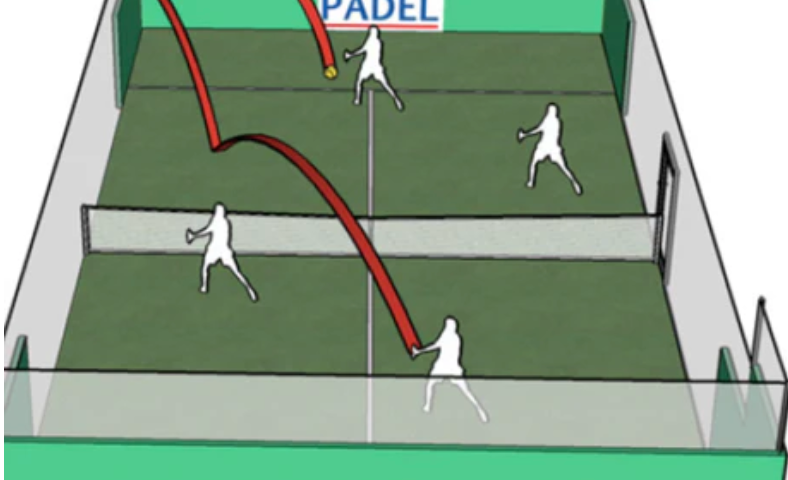
Understanding padel rules starts with serving. Players must serve underhand, hitting the ball below waist height into the diagonal service box. The ball must bounce once before being struck, and servers have two attempts per point. Foot faults, serving incorrectly, or hitting the net results in a lost serve, making it essential to practice proper technique to follow padel rules accurately.
During rallies, padel rules allow the ball to hit walls after bouncing on the ground. Players lose points if the ball bounces twice on their side, hits the net improperly, or goes out of bounds. The scoring system mirrors tennis, using 15, 30, 40, and game, with tie-breaks for sets tied at six games. Learning these padel rules ensures smooth gameplay and a better understanding of the sport for beginners.
Equipment and Gear Rules
Choosing the right padel racket is essential for beginners. Lightweight rackets offer easier manoeuvrability and control, while heavier rackets provide more power. Padel balls are designed specifically for the sport, meeting official specifications for bounce, size, and durability. Selecting the correct equipment allows players to follow padel rules safely while maximising performance on the court.
Padel shoes are equally important, providing stability and grip during fast movements. Proper footwear reduces the risk of slips, injuries, and fatigue during play. Maintaining equipment, including replacing worn-out balls and checking racket grips, ensures consistency and safety. Understanding padel rules regarding equipment helps beginners play effectively and enjoy the sport without setbacks.
How to Play Padel
Playing padel involves mastering basic techniques such as serving, volleying, and groundstrokes. Doubles matches require coordination with your partner to control the court efficiently. Proper positioning near the net or baseline is crucial for following padel rules and avoiding common errors, while strategic movement enhances defensive and offensive plays.
Regular practice is key to improving skills and understanding padel rules intuitively. Beginners can benefit from drills that focus on reflexes, shot accuracy, and communication. Practising consistently helps players adapt to different opponents and court conditions, ensuring they can enjoy padel as both a social and competitive sport in the UK.
Padel in the UK
Padel is rapidly gaining popularity across the UK, with clubs opening in London, Canary Wharf, Manchester, and other major cities. Players can find padel courts near me using online platforms, local directories, or club websites. Many clubs offer beginner lessons, social games, and competitive leagues, making it easy to start playing and adhering to padel rules.
Joining a club not only provides access to courts but also allows players to meet others, practise under official padel rules, and participate in structured matches. The growing community of padel sport enthusiasts creates a supportive environment for beginners, encouraging regular play, skill development, and social interaction while following proper regulations.
Advanced Tips and Strategy
Understanding padel rules gives players a strategic advantage during matches. Using walls effectively, anticipating opponents’ shots, and positioning correctly on court can significantly influence outcomes. In doubles, communication with your partner is critical, as coordinated play helps control space and maintain rallies.
Practising advanced techniques such as lobs, volleys, and strategic serving allows beginners to follow padel rules while improving performance. Incorporating drills that simulate match scenarios enhances decision-making skills and court awareness. Over time, these strategies help players transition from beginners to confident competitors, enjoying the sport fully while respecting all padel rules.
Conclusion
Padel is a dynamic, exciting sport that continues to grow across the UK. Understanding padel rules is vital for beginners to play safely, fairly, and competitively. From serving and scoring to court awareness, equipment use, and strategy, following padel rules ensures an enjoyable and rewarding experience for all players.
Whether practising at local clubs in London, Canary Wharf, or other UK cities, beginners can develop skills, meet like-minded players, and take part in a growing community of enthusiasts. Following padel rules not only improves gameplay but also maximises the fun, fitness, and social aspects of this thrilling sport.
You may also read: Events and Group Activities at teamsport go karting manchester victoria
