

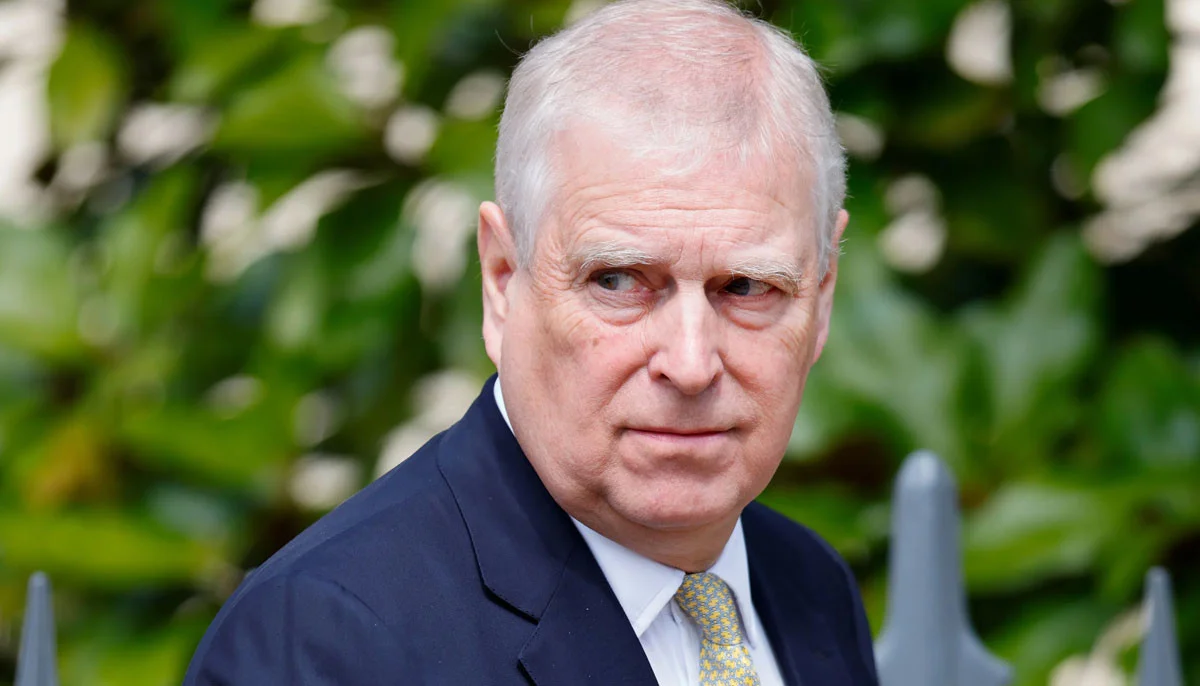
Prince Andrew has been one of the most high-profile figures in the British royal family, capturing global attention for decades. Born as Andrew Albert Christian Edward Mountbatten-Windsor, he is the second son of Queen Elizabeth II and the younger brother of King Charles III. Over the years, Prince Andrew’s life has been marked by privilege, public duty, and controversy, culminating in his recent loss of royal and military titles. His story reflects both the pressures and the pitfalls of modern royalty.
Despite his early achievements, Prince Andrew has faced intense scrutiny and media coverage, particularly after legal allegations and scandals affected his public image. Once respected for his naval career and charitable contributions, he has now become synonymous with controversy, making him a central figure in discussions about the monarchy. Prince Andrew’s journey offers a cautionary tale about reputation, responsibility, and public expectation.
Early Life and Royal Background
Prince Andrew was born on 19 February 1960 at Buckingham Palace, London, and raised in the heart of the British monarchy. His upbringing was defined by royal tradition, privilege, and duty. As a member of the Mountbatten-Windsor family, Prince Andrew experienced a life of exceptional opportunities, attending prestigious schools and participating in royal events from a young age. His childhood shaped him into a royal accustomed to public attention and responsibility.
Prince Andrew later pursued a military career, attending the Britannia Royal Naval College and serving in the Royal Navy. He gained public recognition for his service during the Falklands War, which earned him respect and admiration across the UK. This early period of Prince Andrew’s life reflected a blend of privilege, discipline, and public service, setting the stage for his future roles within the royal family before controversy overshadowed his achievements.
Marriage, Children, and Personal Life
Prince Andrew married Sarah Ferguson in 1986 in a ceremony celebrated across the United Kingdom and the Commonwealth. Their marriage brought two daughters into the royal family: Princess Beatrice and Princess Eugenie, both of whom have maintained connections to royal traditions despite their father’s controversies. Prince Andrew’s family life was initially viewed as a blend of royal duty and personal happiness, drawing significant media attention.
However, the marriage eventually ended in divorce in 1996, partly due to intense media scrutiny and personal differences. Prince Andrew continued to maintain relationships with his daughters, often appearing at family events and supporting their public roles. Buckingham Palace occasionally issued statements regarding his activities, reflecting ongoing public interest in Prince Andrew’s private life and its intersection with his royal duties.
Scandals and Legal Controversies
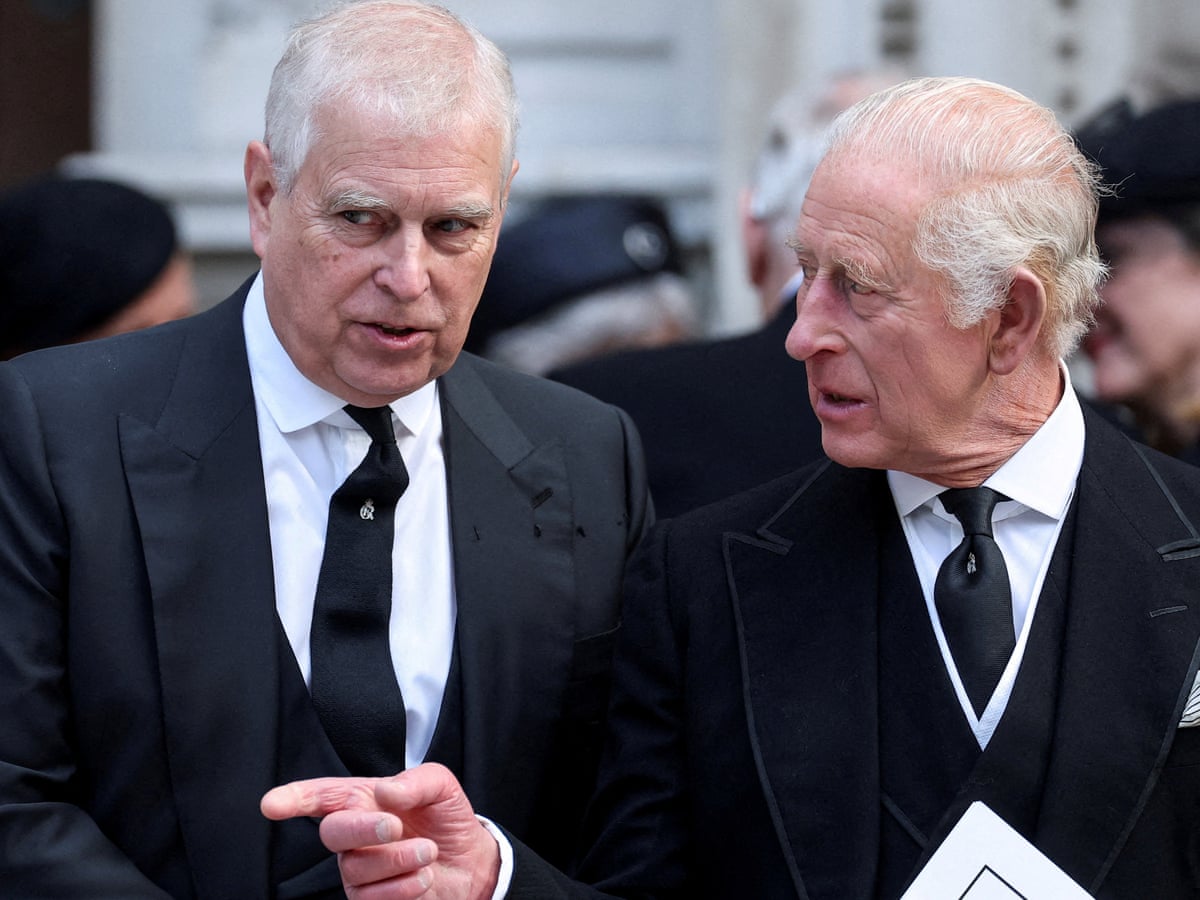
Prince Andrew’s public image suffered dramatically due to his association with Jeffrey Epstein, which led to global media coverage and widespread criticism. Allegations of inappropriate conduct and legal disputes became central to his reputation, ultimately resulting in Prince Andrew being stripped of his royal and military titles. This marked an unprecedented fall from grace for a senior member of the British royal family.
The legal battles surrounding Prince Andrew attracted attention from multiple news outlets, both in the UK and internationally. Court cases, civil lawsuits, and public inquiries dominated headlines, making him one of the most discussed royals in recent history. The impact of these scandals continues to shape public perception, leaving Prince Andrew largely excluded from official royal duties and reducing his public profile significantly.
Life After the Royal Titles
Following the removal of his royal titles, Prince Andrew has largely stepped back from public life. He has maintained a low profile, occasionally attending private events while avoiding media attention. This transition has been challenging, as public fascination with his past continues to generate news coverage and speculation about his current lifestyle.
Prince Andrew’s future remains uncertain, with ongoing discussions about financial matters, legal obligations, and potential public scrutiny. While he no longer performs official duties, he continues to be a subject of interest due to his previous prominence and the enduring legacy of his controversies. Observers remain attentive to any developments, demonstrating the lasting impact of his fall from grace.
Media and Pop Culture Portrayals
Prince Andrew has been extensively covered in documentaries, books, news reports, and television programmes. His life story, from royal prominence to public controversy, has inspired both factual accounts and dramatized portrayals. This media attention has kept public interest in Prince Andrew alive, ensuring that discussions about his actions remain in the spotlight.
Pop culture comparisons often include other prominent figures named Andrew, such as Andrew Garfield, Andrew Scott, Andrew Ridgeley, and Andrew Lloyd Webber. Despite these references, Prince Andrew’s story remains unique due to his royal connections and the unprecedented nature of his scandals. Media portrayals highlight both his earlier achievements and his more controversial actions, reinforcing his complex public image.
Public Statements and Official Responses
Buckingham Palace has periodically addressed the controversies surrounding Prince Andrew, issuing statements to clarify his position and the impact of legal and public scrutiny. These official communications have aimed to maintain the integrity of the monarchy while managing public concern regarding Prince Andrew’s status and actions.
Statements from the palace have reiterated that Prince Andrew no longer represents the royal family in an official capacity. The responses highlight the delicate balance between personal accountability and institutional reputation, reflecting the challenges faced by senior royals when private controversies become public matters. Prince Andrew’s situation underscores the monarchy’s ongoing efforts to maintain transparency and trust with the public.
Conclusion
Prince Andrew’s story is a compelling example of how privilege and prominence can be affected by personal choices and public scrutiny. From his early achievements in the Royal Navy to his high-profile scandals, he has experienced both admiration and criticism. The removal of his royal titles represents a significant turning point, illustrating the consequences of legal and ethical controversies for members of the British royal family.
Despite stepping back from public duties, Prince Andrew continues to be a figure of interest in UK news and popular culture. His journey reflects the challenges of modern royalty and the enduring impact of public perception. Prince Andrew’s experiences serve as a reminder of the importance of accountability, transparency, and the complexities of life within the monarchy.
You may also read: David Harbour Personal Life
