

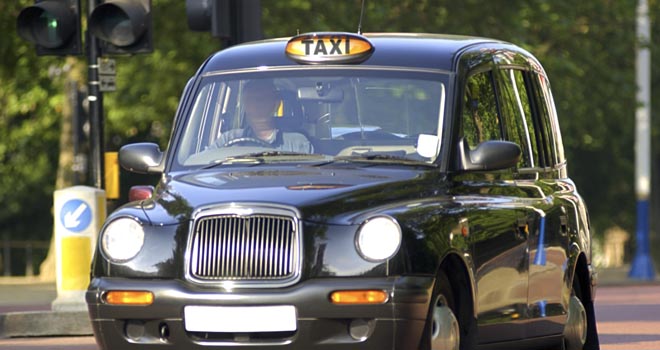
Understanding the differences between hackney carriages and private hire vehicles is essential for anyone navigating UK transport. The debate of private hire vs hackney carriage UK often confuses passengers and drivers alike, as both services serve similar purposes but operate under distinct rules. Hackney carriages can be hailed on the street or at ranks, whereas private hire vehicles require pre-booking through licensed operators.
Choosing the right type of service can impact convenience, safety, and fare costs. Exploring private hire vs hackney carriage UK allows passengers to make informed choices while ensuring drivers comply with licensing laws. This article provides an in-depth guide on operational rules, fares, licensing requirements, insurance, and the historical context of hackney carriages, offering clarity to UK travellers.
What is a Hackney Carriage
A hackney carriage, commonly known as a taxi or black cab, is a vehicle licensed to pick up passengers from the street or designated ranks. The term originated centuries ago, with “hackney” referring to a horse-drawn carriage for hire in London. In the context of private hire vs hackney carriage UK, understanding the role of hackney carriages is vital as they provide immediate transport without prior booking, unlike private hire vehicles.
Hackney carriages are equipped with features such as a roof sign, regulated fares, and accessibility options for passengers with disabilities. They operate under strict council regulations, ensuring driver and passenger safety. In cities like London, Manchester, and Bradford, these taxis remain iconic. Recognising these operational and legal distinctions is key to appreciating the differences in private hire vs hackney carriage UK.
What is a Private Hire Vehicle
Private hire vehicles (PHVs), often called minicabs, operate differently from hackney carriages. A PHV must be pre-booked through a licensed operator or mobile app, and it is illegal for drivers to pick up passengers on the street. In discussions of private hire vs hackney carriage UK, PHVs offer convenience and flexibility, allowing passengers to schedule rides in advance and pay agreed fares without relying on a meter.
These vehicles vary in appearance, often lacking the iconic roof sign of a hackney carriage. Drivers must hold a private hire licence, undergo DBS checks, and complete local knowledge and medical exams. While hackney carriages are highly visible, private hire vehicles emphasise privacy, pre-booking, and app-based convenience, making their operational model distinct in the debate of private hire vs hackney carriage UK.
Licensing and Legal Requirements

Licensing is one of the most significant differences in private hire vs hackney carriage UK. Hackney carriage drivers require a licence from their local council, which includes criminal record checks, a medical examination, and a detailed knowledge test of their operating area. These vehicles can operate in designated regions without pre-booking, giving passengers immediate access to transport.
Private hire drivers must also be licensed but can only accept pre-booked journeys through a licensed operator. Dual licences allow some drivers to operate both hackney carriages and private hire vehicles. Considering private hire vs hackney carriage UK, licensing ensures passenger safety, sets professional standards, and defines the legal boundaries within which each service operates, preventing illegal street hires and fare disputes.
Fares, Booking, and Operations
Fares and booking methods highlight another crucial distinction in private hire vs hackney carriage UK. Hackney carriages operate with council-regulated meters, allowing passengers to pay standard fares based on distance and time. This system provides transparency, especially in busy cities like London, Manchester, or Bradford. Passengers can hail taxis directly from the street or rank, making hackney carriages highly accessible.
Private hire vehicles, however, require passengers to agree on fares before the journey. Booking is done via licensed operators or mobile apps, and street hailing is illegal. Understanding private hire vs hackney carriage UK allows passengers to make informed decisions, ensuring they use services legally and efficiently. The operational differences also affect driver responsibilities, insurance coverage, and fare transparency.
Vehicles and Insurance
Hackney carriages are designed to accommodate passengers comfortably, often featuring wheelchair accessibility and seating for multiple people. These vehicles, including iconic black cabs, are subject to strict safety inspections. Private hire vehicles, in contrast, can be standard cars but must meet local council licensing standards. Insurance requirements vary: hackney carriage insurance is mandatory for street-hail operations, while private hire insurance covers pre-booked journeys only.
When discussing private hire vs hackney carriage UK, insurance, vehicle type, and accessibility are key considerations. Hackney carriages often cost more to purchase and insure but provide instant service visibility. Private hire vehicles offer scheduling flexibility and app-based convenience but must comply with strict licensing rules. Both vehicle types ensure passenger safety, though operationally, they serve different needs.
History and Fun Facts About Hackney Carriages
Hackney carriages have a fascinating history and remain iconic symbols of UK transport. The term dates back to horse-drawn carriages used for hire in London. Today, black cabs feature in crossword clues, pop culture, and city tours. Exploring private hire vs hackney carriage UK in a historical context highlights why hackney carriages continue to be associated with reliability, visibility, and regulated fares.
Modern black cabs continue to stand out due to their distinctive design and adherence to strict operational rules. Private hire vehicles, while more flexible, lack the iconic imagery and cultural recognition of hackney carriages. Understanding these differences helps passengers appreciate the historical and functional significance of hackney carriages in the ongoing debate of private hire vs hackney carriage UK.
Conclusion
The comparison of private hire vs hackney carriage UK comes down to operational rules, licensing, fares, and accessibility. Hackney carriages offer immediate street-hail options and regulated meters, while private hire vehicles provide pre-booked rides with agreed fares. Passengers benefit from knowing these differences, while drivers must follow strict licensing rules to operate legally.
Choosing between hackney carriages and private hire vehicles depends on convenience, fare transparency, and legal compliance. Both serve crucial roles in UK transport, with hackney carriages providing instant service and private hire vehicles offering pre-arranged flexibility. Understanding private hire vs hackney carriage UK ensures safe, legal, and reliable travel throughout the country.
You may also read: Benefits of Using Bolt Taxi
