

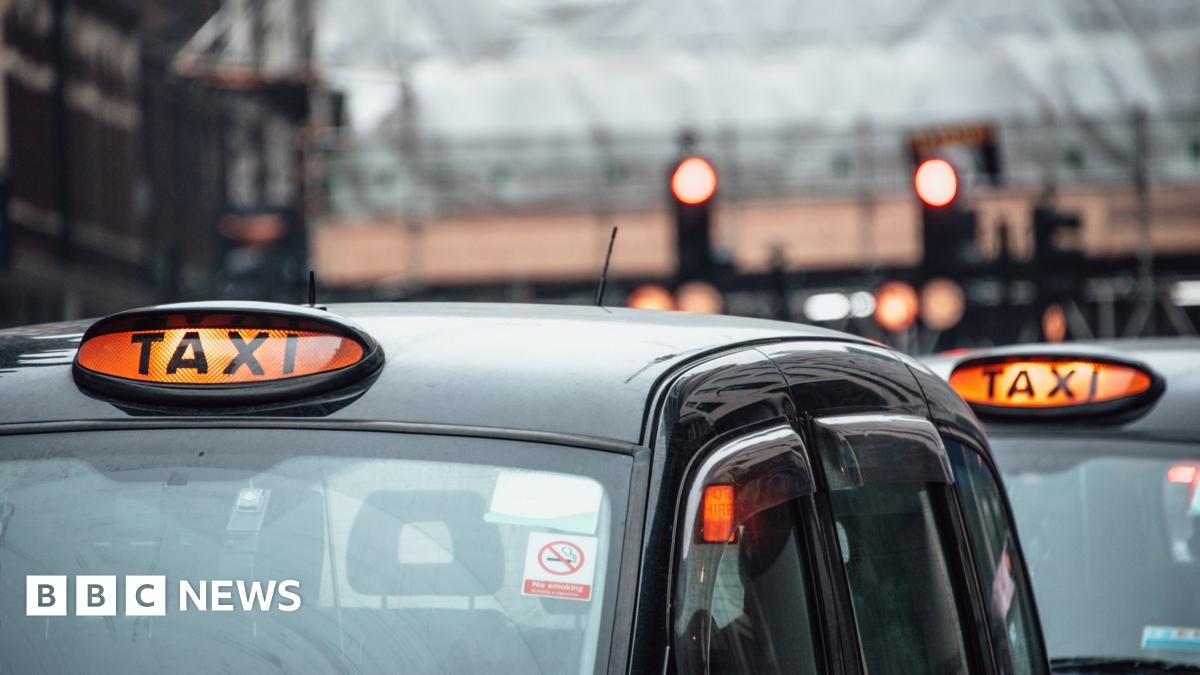
The taxi driver online cab act UK is a critical piece of legislation designed to improve the safety, accountability, and professionalism of taxi and private hire drivers across the country. This act ensures that drivers undergo strict vetting processes, meet medical fitness requirements, and follow operational rules. Its introduction marked a significant step in reducing risks to passengers and maintaining public confidence in the taxi industry.
In addition, the taxi driver online cab act UK aligns older taxi regulations with modern ride-hailing practices, including those for Uber taxi drivers and other app-based services. The act clarifies responsibilities for all licensed drivers, making it essential for anyone considering a career as a taxi driver or operating a private hire business. Compliance is not just legal; it promotes safer, more reliable transport services for all passengers.
Driver vetting and licensing requirements under taxi driver online cab act UK
The taxi driver online cab act UK places considerable emphasis on driver vetting and licensing. All prospective drivers must complete Disclosure and Barring Service (DBS) checks, ensuring they have no criminal convictions that could endanger passengers. Additionally, medical fitness assessments are mandatory to confirm drivers are capable of safely operating a taxi. Licensing authorities across England strictly monitor these requirements, and failure to comply can lead to suspension or revocation of a taxi licence.
Understanding the process is crucial for aspiring drivers. The taxi driver online cab act UK sets clear procedures for obtaining and renewing licences, with guidance available from Transport for London (TfL) and other local councils. Case studies, such as a Luton taxi driver license revoked due to non-compliance, underline the importance of following these protocols. Online forums for taxi drivers provide valuable advice and community support for navigating licensing procedures and understanding the latest updates in the act.
Safety standards and operational rules under taxi driver online cab act UK
Safety is at the core of the taxi driver online cab act UK, establishing operational rules to protect both passengers and drivers. Drivers may refuse a passenger only for legitimate reasons, such as aggressive behaviour, being intoxicated, or carrying luggage that could cause damage. These rules help maintain a safe working environment while also ensuring passenger rights are respected. Drivers are expected to exercise professionalism in every journey, reinforcing trust in the taxi industry.
Disabled access is another key focus of the taxi driver online cab act UK. Drivers are legally required to assist passengers with disabilities, including wheelchair users and those with guide or assistance dogs. By prioritising accessibility, the act strengthens equality and encourages confidence among passengers with additional needs. Real-world experiences shared in online communities highlight how compliance with these safety and accessibility standards enhances both the reputation and reliability of taxi drivers in the UK.
Working as a taxi driver in the UK under taxi driver online cab act UK

The taxi driver online cab act UK affects employment opportunities and the broader taxi industry landscape in the UK. Whether working independently or as part of a ride-hailing platform like Uber, drivers must adhere to the act’s requirements. Prospective drivers need to understand licensing, safety, and accessibility obligations before entering the profession, as failure to comply can result in legal penalties or loss of employment.
Earnings for taxi drivers are also impacted by the act. Self-employed taxi driver salary UK varies depending on location, hours worked, and platform agreements. By providing a clear legal framework, the taxi driver online cab act UK helps protect drivers from unfair practices, ensures transparency, and guides them in understanding their financial rights and responsibilities. Engaging with online forums and industry discussions also allows drivers to stay updated on industry trends, job openings, and practical advice for managing a successful taxi business.
Digital tax rules and financial responsibilities in taxi driver online cab act UK
Financial compliance is a critical aspect of the taxi driver online cab act UK. Self-employed drivers, including Uber taxi drivers, must understand digital tax rules in the UK to ensure their earnings are reported correctly to HMRC. Drivers exceeding certain turnover thresholds are required to register for VAT and maintain accurate records. Understanding these obligations helps prevent fines, penalties, and legal complications while fostering a professional approach to the business.
The taxi driver online cab act UK provides clarity on financial responsibilities for self-employed operators. Drivers can manage income reporting, track expenses, and remain compliant with tax regulations while operating their business efficiently. This guidance is particularly important for new drivers entering the industry, as it helps them avoid common mistakes and build a sustainable career. With the act in place, drivers can focus on providing quality service while confidently managing their financial obligations.
Popular culture and public perception of taxi driver online cab act UK
The taxi driver online cab act UK has also attracted attention due to cultural references in films, television, and literature. Iconic examples like Robert De Niro taxi driver, Jodie Foster taxi driver scenes, and taxi driver Korean movies illustrate society’s fascination with the lives of drivers. While these portrayals are dramatic, they highlight the responsibility and challenges faced by drivers in real-world contexts.
Public perception plays an important role in shaping the taxi driver industry. By enforcing standards and regulations, the taxi driver online cab act UK ensures drivers meet professional expectations, enhancing the reputation of the sector. Engaging with online forums and community discussions allows drivers to share experiences, learn from peers, and improve customer service. This cultural and social context makes compliance with the act not just a legal necessity but a pathway to professional credibility and trust.
Conclusion
The taxi driver online cab act UK is a comprehensive framework covering safety, licensing, vetting, disabled access, and financial responsibilities. By following its requirements, taxi drivers can operate safely, legally, and profitably while maintaining high professional standards. Staying informed about the 2026 updates ensures compliance, strengthens careers, and builds trust with passengers, creating a sustainable and respected taxi industry in the UK.
You may also read: Breaking News and Live Updates
