

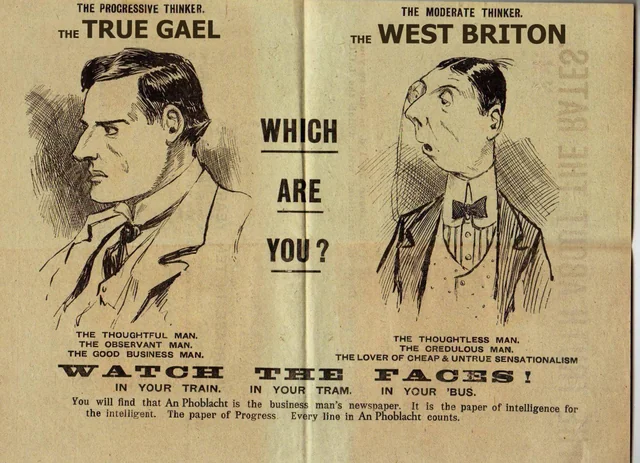
The term west briton has a rich and complex history, often leading to confusion due to its multiple meanings. Historically, it referred to people from the western regions of Britain, including Cornwall and Wales, known for preserving unique cultural traditions and resisting invasions. In Irish culture, the phrase has been used politically, sometimes as a derogatory term, highlighting perceived loyalty to the British Crown. Understanding west briton requires examining both its historical roots and modern implications.
In contemporary contexts, the term west briton is also associated with a longstanding newspaper based in Cornwall. Searches often include phrases such as west briton news or west briton obituaries, reflecting both community interest and historical research. The phrase remains relevant across cultural, political, and regional discussions, showing how language can evolve over centuries while maintaining strong ties to identity and place.
Historical Background of the Term West Briton
The origins of west briton can be traced back to early British history. Ancient Britons inhabited areas that are now Cornwall, Wales, and parts of western England. These communities were known for resisting invasions and maintaining distinct cultural and linguistic traditions. The term west briton was initially used to identify these populations geographically, highlighting differences between eastern and western regions of Britain.
Over time, historians and writers expanded the use of west briton in literature and academic texts. Ancient Britons, often discussed in ancient briton blogs and historical records, were recognised for their role in shaping Britain’s early cultural landscape. By linking the term west briton with historical identity, scholars and enthusiasts provide modern readers with a clearer understanding of Britain’s diverse and complex heritage.
West Briton as an Irish Political and Cultural Term
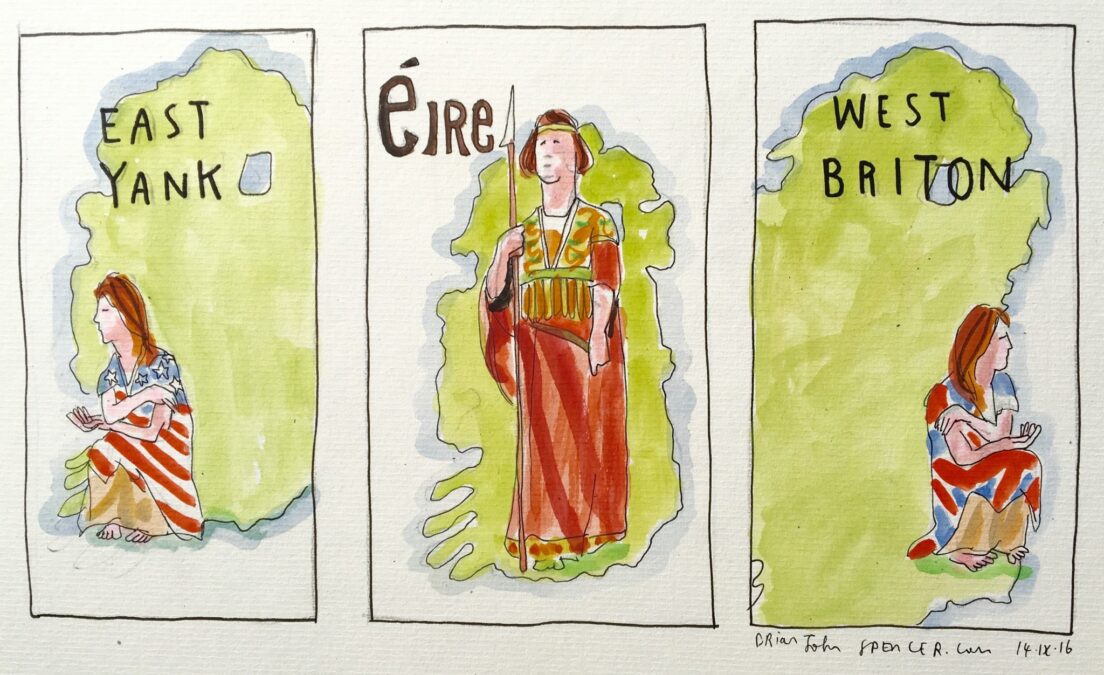
In Ireland, the phrase west briton carries political and cultural weight. Historically, it was used to describe individuals perceived as excessively sympathetic to British rule or anglophilic in behaviour. Nationalists often applied the term in a critical sense, highlighting tensions between Irish identity and loyalty to Britain. Understanding this context is essential for appreciating the term’s nuances and its continuing relevance in cultural discussions.
The perception of west briton as derogatory varies depending on context. In contemporary use, the term can appear in discussions of historical politics, literature, or online debates, sometimes prompting confusion about intent. For modern audiences, recognising the term’s historical and political origins is important for using it accurately and understanding its role in Ireland’s cultural narrative.
The West Briton Newspaper: Cornwall’s Local Voice
The west briton newspaper is a historic publication based in Cornwall, providing weekly news coverage to local communities. Established decades ago, it has remained a reliable source of information for towns such as Truro, Camborne, and Redruth. The newspaper covers local events, sports, culture, and obituaries, highlighting its ongoing importance as a community resource.
Readers frequently search for west briton news or west briton obituaries, demonstrating the publication’s enduring relevance. With both print and digital editions, the west briton newspaper continues to serve as a link between Cornwall’s past and present. Its role in documenting local life ensures that the term west briton retains practical significance in modern media.
West Briton Obituaries and Death Notices
One of the most common reasons people search for the term west briton is to access obituaries and death notices. The newspaper provides detailed announcements about community members, including family acknowledgements, funeral arrangements, and historical records. These obituaries are valuable for genealogical research, community engagement, and historical documentation.
Archives such as camborne redruth west briton obituaries and truro west briton obituaries provide a vital record of local life. By preserving these records, the west briton newspaper connects present readers with past generations, emphasising the term’s ongoing relevance beyond its historical or political connotations. These records make west briton an essential resource for both local residents and researchers.
Briton vs West Briton: Understanding the Difference
The word briton broadly refers to the people of Britain, including various regional and historical populations. In contrast, west briton specifically denotes people from western regions, historically Cornwall and Wales. The distinction is important for historians, linguists, and readers exploring regional identities, ensuring clarity between general British identity and regional heritage.
Understanding the difference also helps contextualise searches for west briton. Many online queries mistakenly confuse the newspaper with historical populations or with places such as Briton Ferry. By clearly distinguishing between west briton, ancient briton, and regional names, readers gain a more accurate perspective on cultural and historical discussions.
Place-Name Confusion: Briton Ferry Explained
Briton Ferry is a town in South Wales, often appearing in searches alongside west briton. While geographically separate from Cornwall, its inclusion in search results can cause confusion. People often look up bbc weather briton ferry or briton ferry flooding, associating it incorrectly with the historical or media-related west briton.
The distinction is simple: west briton refers to the newspaper, historical western populations, or political terminology, while Briton Ferry is a modern town with its own local identity. Clarifying this difference is useful for readers, ensuring they access the correct information when searching for news, obituaries, or historical context linked to west briton.
Modern Usage and Media References
The term west briton continues to appear in modern media and online platforms, reflecting its historical and cultural significance. Beyond the newspaper, it appears in journalism, blogs, and online discussions exploring Irish politics, British history, and Cornwall’s community life. Its continued relevance highlights the adaptability of language and regional terminology.
Online searches also reveal mixed results, sometimes including unrelated items like briton door closer or hardware products. Despite this, primary searches for west briton consistently focus on historical meaning, local news, and obituaries. These consistent interests maintain the term’s significance for UK audiences while providing context for its evolving usage.
Conclusion
The term west briton holds multiple layers of meaning, spanning history, politics, and regional identity. It refers to ancient populations in western Britain, a politically charged Irish term, and a long-standing Cornish newspaper. Whether used to explore obituaries, historical research, or local news, west briton remains a culturally and historically significant phrase that continues to inform modern readers.
You may also read: South Wales Evening Post Reporting on Crime and Public Safety
